What Is Diarrhea in Children?
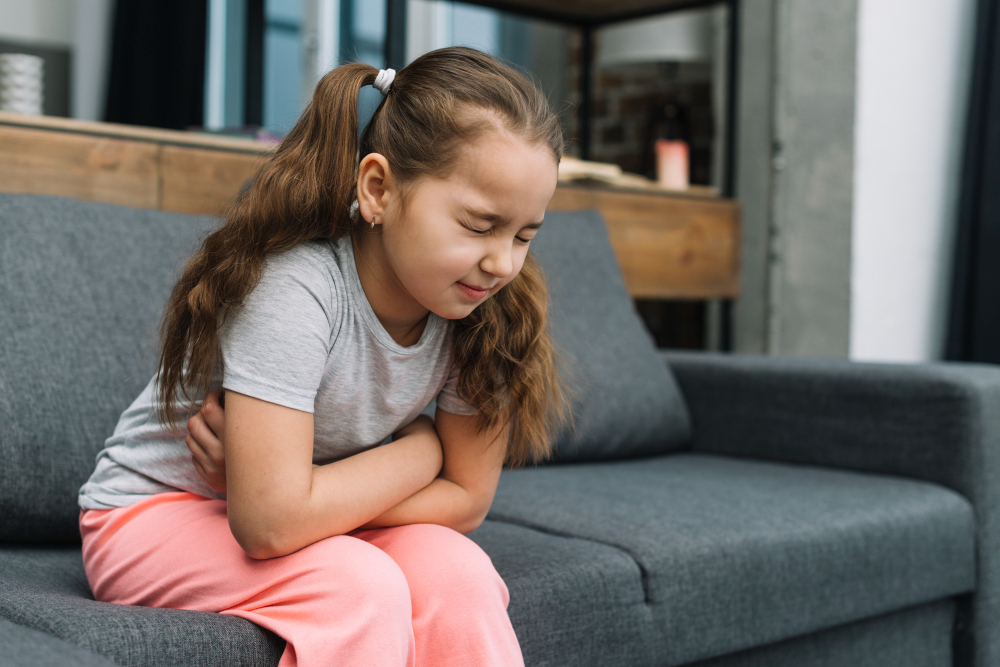
Diarrhea in children is a common health problem. It means your child has loose or watery stools more often than usual. Sometimes, diarrhea in children can last just a day or two. Other times, it may last longer. In many places, such as the United States, diarrhea in children is often mild. However, in some regions, it can be more serious. According to the World Health Organization (WHO), diarrhea is a leading cause of illness in children worldwide. Because it can cause dehydration, it is important to watch for signs and act quickly.
Common Symptoms of Diarrhea in Children
Children with diarrhea may show several signs. While some symptoms are mild, others can be more serious. For example, you may notice:
Sometimes, children may also feel tired or irritable. If you see blood in the stool or if your child seems very weak, seek medical help right away.
Causes of Diarrhea in Children
There are many causes of diarrhea in children. Most often, infections are the main reason. For instance, viruses like rotavirus or norovirus can cause sudden diarrhea. Bacteria, such as Salmonella or E. coli, can also lead to stomach upset. In addition, parasites can sometimes be the cause, especially in areas with unsafe water. Other causes include:
In many cases, the cause is a mild infection. However, childhood diarrhea causes can vary by region and age. According to the Centers for Disease Control and Prevention (CDC), rotavirus is a leading cause in young children.
How Diarrhea in Children Is Diagnosed
Doctors use several steps to diagnose diarrhea in children. First, they ask about your child’s symptoms and medical history. Next, they may do a physical exam. In some cases, doctors may ask for a stool sample. This helps find out if a virus, bacteria, or parasite is present. Sometimes, blood tests or other checks are needed if the diarrhea lasts a long time or is severe. However, most cases do not need special tests. Instead, doctors focus on symptoms and risk factors. If your child has traveled recently or has other health problems, share this with the doctor.
Treatment Options for Diarrhea in Children
Treating diarrhea in children depends on the cause and how severe it is. Most children get better with simple care at home. However, it is important to prevent dehydration. Doctors often recommend:
In some cases, your doctor may suggest medicines, but these are rarely needed. For example, antibiotics are only used if a bacterial infection is found. If your child is very young or shows signs of dehydration, seek medical care quickly. The CDC and WHO both stress the importance of rehydration for managing diarrhea in kids.
Home Care and Lifestyle Tips
While your child recovers, there are steps you can take at home. First, offer small sips of fluids often. Next, let your child rest as needed. You can also:
If your child is in daycare or school, let the staff know about the illness. This helps prevent outbreaks. If symptoms get worse or last more than a few days, call your doctor.
Preventing Diarrhea in Children
There are many ways to help prevent diarrhea in children. For instance, good handwashing is one of the best steps. Teach your child to wash hands after using the bathroom and before eating. In addition:
In many countries, these steps have helped lower the risk of pediatric diarrhea. However, outbreaks can still happen. Staying alert and using these tips can help protect your child from diarrhea in children.